Rosa Keller · 11 October 2026
Exploring Seasonal Content Cycles and Their Influence on Engagement Metrics for Niche Online Platforms in Fluctuating Search Environments
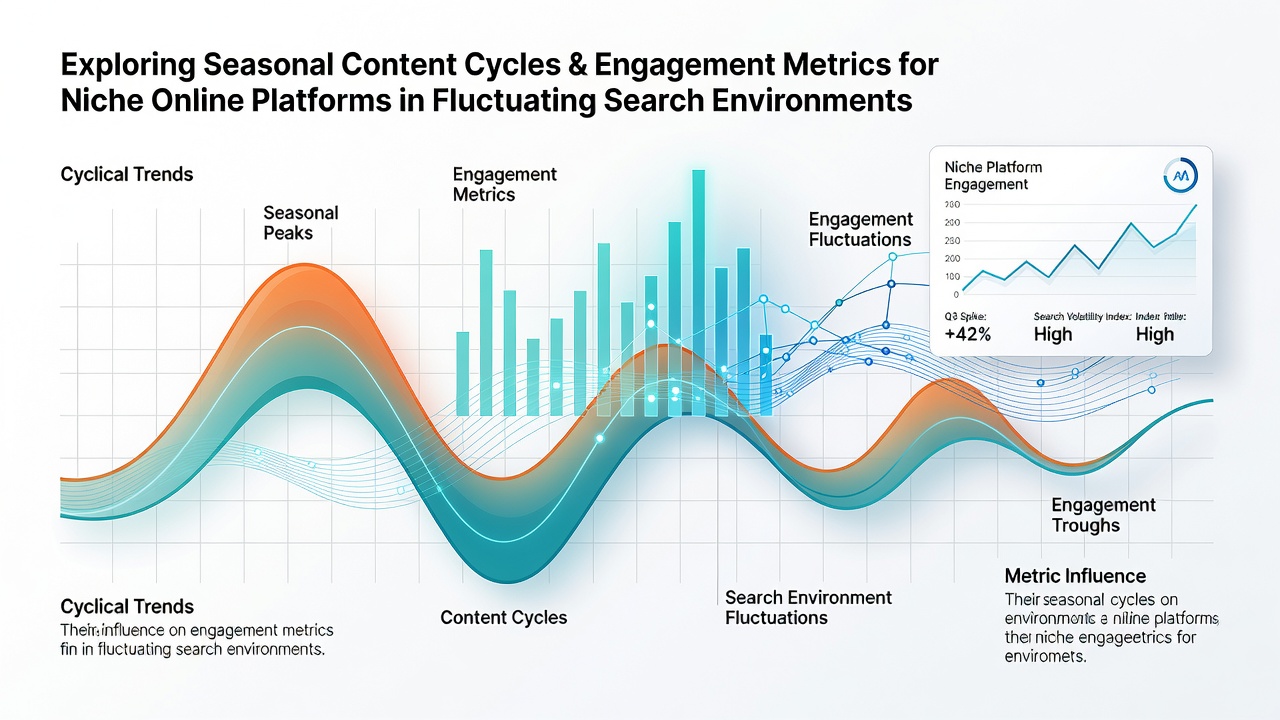
Seasonal content cycles shape how niche online platforms experience shifts in user activity, with data from various digital analytics sources revealing consistent patterns tied to calendar events and broader market conditions. Researchers tracking these cycles note that platforms focused on hobbies such as gardening, vintage collecting, or specialized gaming see measurable changes in engagement when external factors like holidays or academic terms alter search behaviors. These fluctuations occur alongside evolving search algorithms that adjust ranking priorities based on real-time signals, creating environments where content performance varies by both timing and platform type.
Defining Seasonal Content Cycles in Digital Contexts
Seasonal content cycles refer to recurring periods when user interests align with specific themes, leading to increased queries around topics like winter preparation or post-summer travel planning. According to studies from the Australian Bureau of Statistics on digital engagement trends, these cycles often span several weeks and correlate with external events that drive traffic toward niche communities. Platforms hosting discussions on topics such as model railroading or sustainable cooking observe higher interaction rates during autumn months when users search for related projects, while similar patterns emerge in spring for outdoor activity forums. Data indicates these cycles operate independently of general web traffic yet respond to the same environmental cues that influence broader search volumes.
Observers tracking multiple platforms find that content published in alignment with these cycles tends to accumulate comments and shares at different rates than off-cycle material. One analysis of European digital market reports highlighted how niche sites experienced sustained session durations when posts addressed seasonal transitions, such as preparing equipment lists for fall festivals. The cycles themselves remain predictable in structure but interact with platform-specific features like community voting systems or subscription feeds that amplify visibility during peak interest windows.
Measuring Engagement Metrics Across Seasonal Shifts
Engagement metrics on niche platforms include time spent per session, repeat visit frequency, and content interaction depth, all of which display variation linked to seasonal content cycles. Figures from academic research conducted at Canadian universities show that platforms in hobby categories record elevated click-through rates during periods matching user preparation phases, such as the weeks leading into major holidays. These changes appear in both mobile and desktop environments, though the magnitude differs based on how search engines prioritize freshness signals within each cycle.

Platforms monitoring these metrics often note that comment threads lengthen when content addresses immediate seasonal needs, such as troubleshooting winter storage solutions for collectibles. Research indicates the connection between cycle timing and metric performance holds across geographic regions, with similar patterns emerging in both North American and Asia-Pacific niche communities. The data further reveals that platforms maintaining consistent publishing schedules outside peak seasons still experience baseline engagement that rises predictably when aligned content enters circulation.
Search Environment Fluctuations and Platform Responses
Fluctuating search environments arise from algorithm updates that alter how content surfaces in results, particularly when seasonal queries increase in volume. Reports from the OECD on digital economy dynamics describe how these updates can elevate or suppress niche platform visibility depending on the freshness and relevance signals detected during high-interest periods. In October 2026, for instance, platforms covering autumn-related hobbies encountered shifts in organic reach as search engines adjusted for holiday-adjacent queries while maintaining core ranking factors.
Those studying these interactions observe that niche platforms adapt by adjusting metadata and internal linking structures to match the changing emphasis on timely content. Evidence from multiple industry datasets shows that platforms experiencing search volatility during seasonal peaks maintain steadier engagement when their content libraries already contain materials addressing related subtopics. The interplay between cycle-driven interest and algorithm behavior creates conditions where smaller platforms compete more directly with larger sites during concentrated windows of user attention.
Regional Variations in Cycle Influence
Different geographic areas exhibit distinct seasonal cycle effects on niche platform engagement due to local cultural events and climate patterns. Data compiled by the U.S. Census Bureau on technology adoption demonstrates stronger metric lifts for platforms centered on regional traditions, such as harvest festivals or winter sports communities, compared with more generalized hobby sites. These variations persist even when search environments undergo simultaneous global updates, suggesting that localized content alignment plays a decisive role in metric outcomes.
Platforms operating across borders often track these regional differences to understand how cycle timing affects cross-audience engagement. Studies from research institutions in multiple countries confirm that engagement depth increases when content reflects both the seasonal cycle and the specific search preferences prevalent in each market segment. The resulting patterns provide observers with clearer views of how niche communities respond to combined seasonal and algorithmic pressures.
Conclusion
Seasonal content cycles continue to exert measurable influence on engagement metrics for niche online platforms operating within fluctuating search environments. The documented patterns, drawn from government statistical agencies and academic sources across regions, illustrate consistent relationships between cycle timing, user interaction depth, and search visibility. Platforms that align their content development with these recurring periods encounter distinct metric behaviors that differ from those observed during non-aligned intervals, providing a factual basis for understanding digital audience dynamics in specialized communities.